Rain Dance Papers · Volume I · Essay 21
More Colours Enhance a Painting
“Skin colour is ancient. Whiteness is modern. Talent has always been universal. Opportunity has not.”
Every generation inherits a story about humanity.
Some stories tell us that one civilization built the world while others merely followed. Some insist that greatness belongs naturally to one race, one religion, one nation or one culture. Others simply reverse the direction of the arrow and claim that everything began somewhere else before being stolen by someone else.
Both are examples of what philosophers call monocausal narratives—the temptation to explain the immense complexity of human history through a single cause while overlooking the countless threads that together weave the fabric of civilization.
History is rarely so simple.
Modern science tells us that our common ancestors emerged in Africa before gradually spreading across the globe. They did not march from one continent to another in a single migration. They moved over thousands of generations, settling, adapting, intermarrying, trading, fighting, learning and borrowing from one another. Human history is not the story of isolated civilizations. It is the story of connection.
This understanding also changes how we think about race.
People have always noticed physical differences, but the modern political idea of whiteness is remarkably recent. Medieval Europeans generally did not describe themselves as “white.” They were Florentines, Saxons, Venetians, Scots, Poles or Catalans. Above all, they were Christians, Jews or Muslims. Religion, language, family and kingdom mattered far more than skin colour.
Only with European colonial expansion, the Atlantic slave trade and the rise of racial classification did “white” become something larger than complexion. It became a political identity—one that defined who belonged, who ruled and who could be excluded.
Skin colour is ancient.
Whiteness is modern.
That distinction matters because it reminds us that biology and politics are not the same thing.
If history teaches anything, it is that human beings have always been more connected than separated.
The Roman Empire stretched across Europe, North Africa and the Middle East. Ancient trade routes linked West Africa to the Mediterranean, India to East Africa and China to the Middle East. Languages borrowed words. Religions borrowed ideas. Music crossed oceans long before passports existed.
Civilization has always been collaborative.
Sport tells the same story.
Watch the Swiss, Belgian, English or French national football teams today. Many of their finest players have parents or grandparents from Africa, the Caribbean, Eastern Europe or Asia. They proudly wear the national jersey, carry the hopes of millions and often become national heroes.
Until they make a mistake.
Then, almost overnight, some are told they are no longer truly Swiss, English or Belgian.
The contradiction is painful.
A player may be considered fully part of the nation while scoring the winning goal, yet suddenly become an outsider after missing a penalty.
Nothing changed except the result.
South Africa knows this contradiction perhaps better than most.
For decades apartheid deliberately excluded millions of gifted athletes from representing their own country. Rugby became one of the clearest symbols of that exclusion.
Chester Williams, the first Black player to become a regular Springbok after apartheid, spoke openly about the loneliness of entering a team still carrying the psychological weight of segregation. Some teammates later reflected on how deeply apartheid had shaped attitudes inside the sport. Whether prejudice was open or subtle, the consequence was the same: talent was restricted before it could flourish.
Today’s Springboks tell a different story.
Their victories are not proof that diversity alone wins championships. World Cups are won through discipline, coaching, preparation, leadership, culture and relentless hard work.
But South Africa now draws from a far larger reservoir of talent than it once allowed itself to see.
When barriers fall, possibilities expand.
Football teaches another lesson.
People often compare African football with European football as though they represent different biological capacities or different footballing minds.
They do not.
Elite football is not merely a competition of talent. It is also a competition of infrastructure, investment, nutrition, medical care, coaching, scouting, education and opportunity.
Imagine two children born with identical gifts.
One grows up training on a dusty field, sharing worn-out boots, helping support the family after school and hoping that one scout might notice him.
The other enters the academy of a major European club before adolescence. Every day he trains under licensed coaches, works with nutritionists, physiotherapists, psychologists and analysts, and never has to wonder whether tomorrow’s meal depends on today’s wages.
Who is more likely to reach the highest level?
The answer says nothing about talent.
It says everything about opportunity.
This is why so many African footballers become world-class once they enter professional systems.
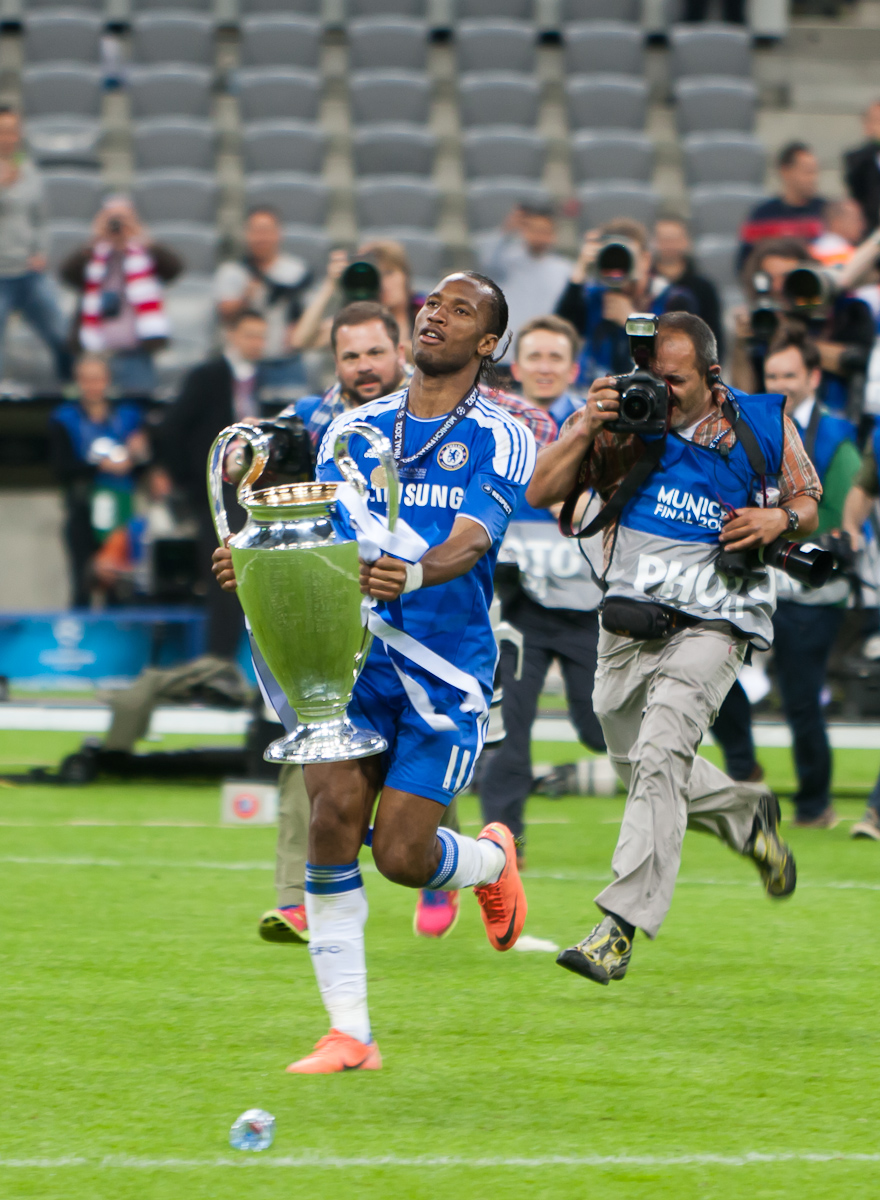
Didier Drogba became one of the finest strikers of his generation.
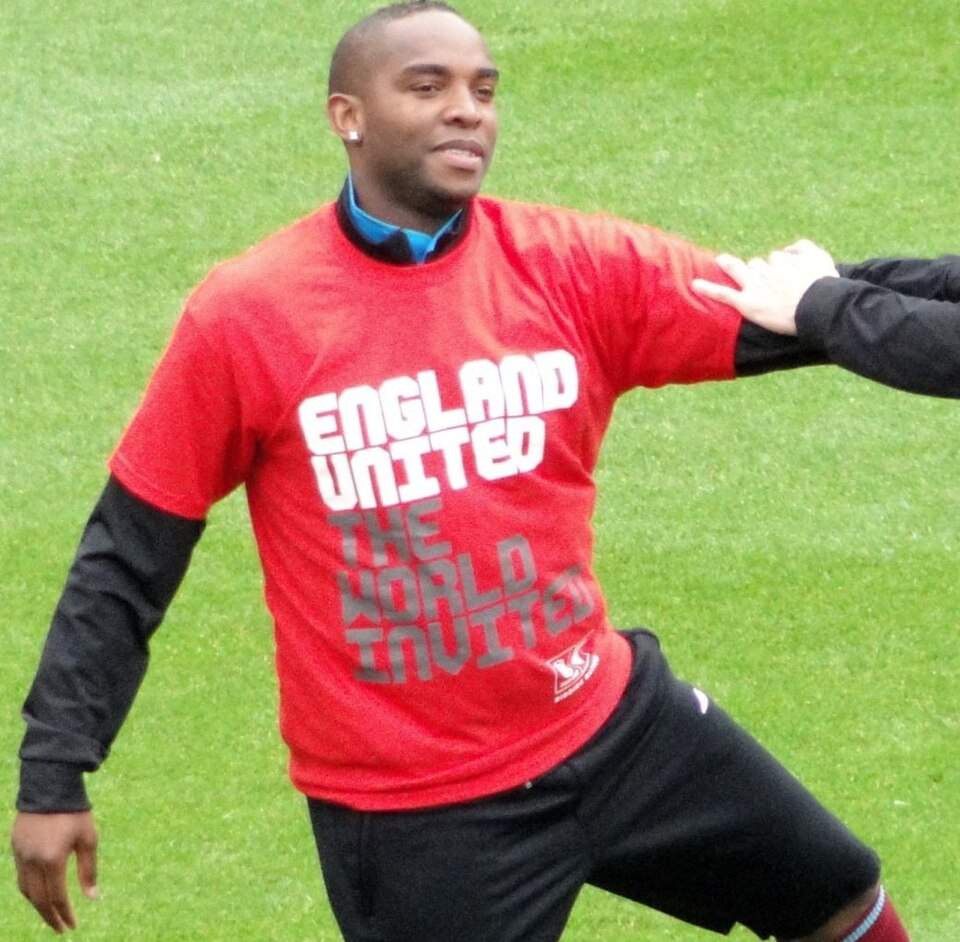
Benni McCarthy won the UEFA Champions League.
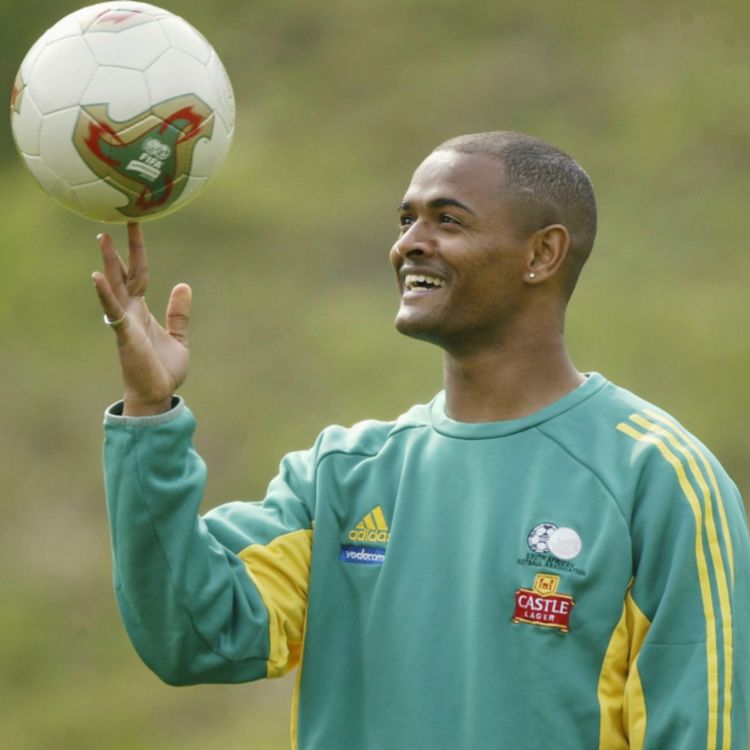
Shaun Bartlett excelled in Switzerland with FC Zürich and represented South Africa with distinction.
The list stretches across every major European league.
There is no uniquely African way of playing football, just as there is no uniquely European monopoly on excellence.
Talent recognises no passport.
What differs is the environment in which talent is allowed to grow.
Italy offers another fascinating reminder that identity itself is more complicated than our stereotypes. The Italian peninsula has never been culturally or genetically isolated. Greeks, Etruscans, Romans, Celts, Lombards, Arabs, Normans, Byzantines, Spaniards, Austrians and many others have all contributed to what we now call Italian civilization. Like every nation, Italy is not a single thread but a tapestry woven across centuries.
Its football history, too, reminds us that success and failure rarely have one explanation. Tactical brilliance, institutional strength, youth development, economics, governance and integrity all matter. Even the great Italian match-fixing scandals demonstrated that sporting fortunes can rise and fall for reasons that have nothing to do with race or nationality.
Perhaps this brings us back to the painter’s canvas.
No artist creates a masterpiece using only one colour.
Depth requires contrast.
Light reveals itself through shadow.
Harmony emerges from difference.
The beauty of a painting lies not in uniformity but in the relationship between colours.
Human societies are much the same.
Diversity by itself guarantees nothing.
Neither does uniformity.
What matters is whether every child is given the opportunity to discover the gifts they already carry.
Every child is born carrying colours.
Society decides how many brushes they are given.
Perhaps that is the real challenge before every nation.
Not whether its people look alike.
Not whether their grandparents came from the same continent.
But whether it has the wisdom to recognise talent before prejudice blinds it to possibility.
History has already answered the question of whether different peoples can contribute to human civilization.
They always have.
The only question that remains is whether we are willing to paint with the entire palette.
Talent Recognises No Passport